In the fast-changing world of beauty, getting a handle on the key cosmetic ingredients is more important than ever. Things move so quickly that shoppers are always looking for products that not only work well but are also safe to use. Picking the right ingredients can really turn a basic product into something everyone’s gotta have.
With so many options out there, it's super easy to miss some hidden gems. Companies are always experimenting with new formulas and ingredients — many of which can serve a dual purpose, kind of like hitting two birds with one stone. If you click on Industrial & Cosmetic Uses, you'll see how versatile some of these ingredients are. But here’s the thing: not all trendy ingredients live up to the hype. Some can cause irritation or allergic reactions, and nobody wants that.
So, staying in the know about these ingredients really makes a difference. The more you understand, the better you can pick brands that are upfront about what’s in their products and care about quality. As we check out the hottest cosmetic ingredients of 2026, it’s a good idea to look at both what they do well and what their limitations are — it’s all about getting the full picture.

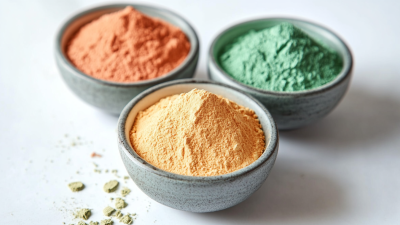
The cosmetic industry is rapidly evolving, with innovative ingredients changing the landscape. One trend for 2026 is the rise of natural extracts. Ingredients like Beetroot Powder are gaining popularity for their vibrant colors and potential health benefits. This shift towards natural products responds to consumer demand for cleaner options.
Research shows that the global market for natural cosmetics is expected to reach $54 billion by 2027. Many consumers are looking for transparency in product formulations. They want to avoid harmful chemicals while embracing nature-based alternatives. This is where Beetroot Powder Ingredientsshine. Rich in Antioxidants, they add color and nutritional value to formulations.
Tip: Always check ingredient labels for clarity. Few people realize that even "natural" claims can sometimes be misleading.
Another trend is the use of sustainable and eco-friendly ingredients. Brands are increasingly focused on sourcing materials responsibly. This shift not only promotes environmental stewardship but also appeals to conscious consumers. A survey found that 70% of consumers prefer products with sustainable sourcing.
Tip: Look for certifications indicating sustainability. Such labels can help you make informed choices. Remember, some brands might not meet all criteria yet claim to be sustainable.
The pursuit of youthful skin drives innovation in the cosmetic industry. By 2026, several key anti-aging ingredients are set to take center stage. According to recent market research, the global anti-aging market is projected to reach $330 billion by 2026. This indicates a growing demand for effective formulations that cater to aging concerns.
Among these emerging ingredients, peptides stand out for their significant role in skin regeneration. They help promote collagen and elastin production, vital for maintaining skin elasticity and firmness. Some studies suggest a 30% improvement in skin texture after regular peptide use. Additionally, Health Ingredients such as retinoids and hyaluronic acid continue to be revered for their hydrating and rejuvenating properties.
However, not all ingredients work miracles for everyone. Individual skin types can react differently, leading to varying results. A segment of users may experience irritation with retinoids, while others may not notice any difference at all. This inconsistency highlights the importance of personalized skincare solutions in the anti-aging landscape. As the industry evolves, understanding and embracing diverse skin needs will be crucial in the quest for effective anti-aging solutions.
The clean beauty movement is booming. As consumers prioritize health and sustainability, natural ingredients are becoming increasingly popular. A recent report by Grand View Research shows that the global clean beauty market is expected to reach $22 billion by 2024. This shift reflects a deep desire for transparency in cosmetic formulations.
Many consumers now prefer products with recognizable ingredients. This is evident in the demand for Botanical Extracts, organic oils, and mineral-based components. For instance, ingredients like aloe vera and jojoba oil are cherished for their skin benefits. However, not all natural products are created equal. Consumers should remain cautious, as not every "natural" label guarantees effectiveness or safety.
Moreover, the sourcing of natural ingredients poses challenges. Ethical sourcing is a growing concern. Various studies indicate that over 40% of consumers worry about the integrity of ingredients used. Hence, brands must address these sourcing issues to maintain trust. While the rise of clean beauty is promising, it invites ongoing reflection on industry standards and consumer education.
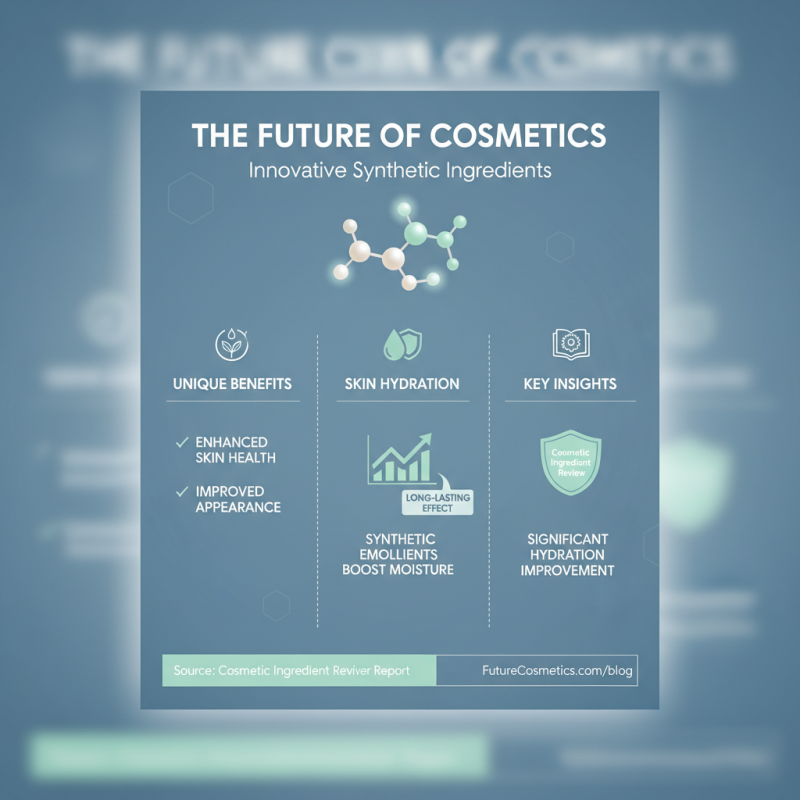
The future of cosmetics is being shaped by innovative synthetic ingredients. These materials provide unique benefits, enhancing skin health and appearance. For instance, a recent report by the Cosmetic Ingredient Review found that synthetic emollients significantly improve skin hydration levels. This is crucial for consumers seeking long-lasting moisture.
Vegetable Powder Ingredients have also become essential in formulations. They not only offer natural benefits but can be blended seamlessly with synthetic elements. This combination creates products that cater to diverse skin types. However, not all vegetable powders are created equal. Some may lack efficacy due to poor sourcing or outdated processing methods. It’s essential to verify the quality of these ingredients to avoid disappointment.
Tip: Always check ingredient transparency. Consumers should ask brands about their sourcing practices. Educating yourself on ingredient benefits is key. While synthetic ingredients excel in performance, there's room for improvement in sustainability. Balancing innovation with eco-friendliness remains a challenge in this evolving industry.
Sustainable sourcing is transforming the cosmetic industry. Consumers are increasingly aware of the ecological impact of ingredients. A recent report indicates that 70% of consumers prefer products with sustainable components. This statistic reveals a clear demand for eco-friendly choices.
Natural ingredients are at the forefront of this change. Plant-based extracts, biodegradable materials, and responsibly sourced oils are becoming popular. For example, ingredients like shea butter and jojoba oil are not only effective but also sustainable. However, the challenge lies in ensuring that sourcing does not harm local communities or environments.
Tips: Always research the supply chain of your cosmetic products. Engage with brands that prioritize transparency in sourcing. Look for certifications that validate eco-friendly practices. Small choices lead to significant changes.
Despite the push for sustainable ingredients, some companies still struggle to balance profit and ethics. Sourcing responsibly can be more expensive. This leads to the temptation of cut corners. It’s essential to support those who are committed to genuine sustainability. We should continue to demand better practices in the industry.
This chart showcases the popularity index of key cosmetic ingredients anticipated to trend in 2026. Ingredients such as Aloe Vera and Hyaluronic Acid are expected to remain highly favored due to their beneficial properties for skin health and sustainability.
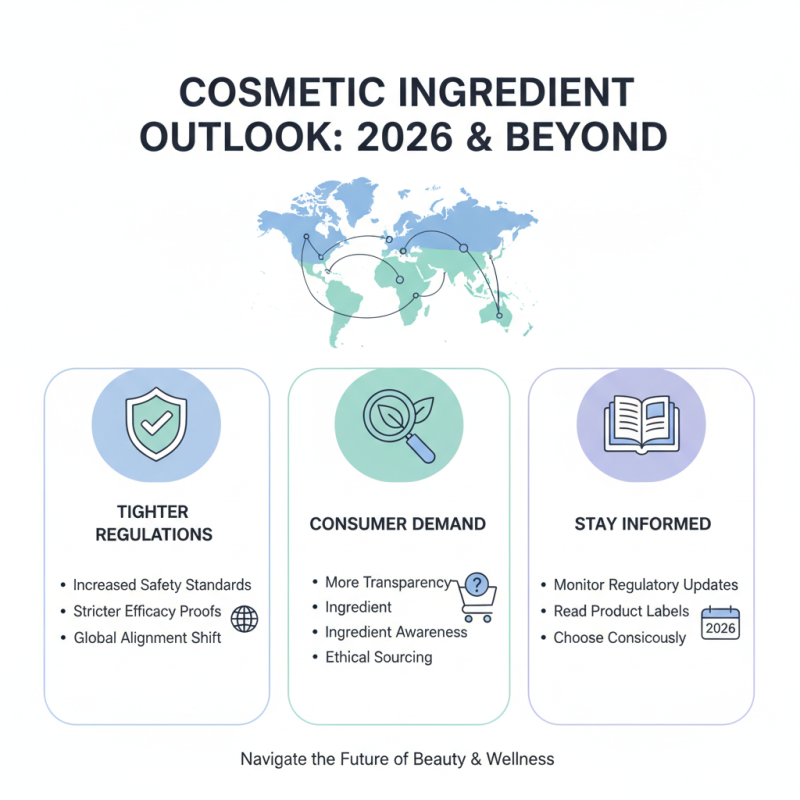
As we approach 2026, regulatory changes will significantly impact cosmetic ingredients. Many countries are tightening their regulations on the safety and efficacy of these substances. Consumers are becoming more aware and demanding transparency. It’s essential to stay informed about the ingredients in cosmetic products.
Natural Food Ingredients will lead the charge in this shift. These components, sourced from plants and minerals, are gaining popularity. However, not all “natural” claims are equal. Some products may still contain harmful substances disguised as natural. This is a critical issue that needs attention.
Tips for consumers: Always read labels carefully. Look for certifications that verify natural sourcing. Be cautious of buzzwords that seem appealing but lack clear definitions. Understanding the evolving regulations is key to making informed choices. Consider supporting brands that prioritize ethical sourcing and transparency in their ingredient lists. Making educated decisions will not only benefit you but also promote a healthier cosmetic industry.
In recent years, consumer preferences have shifted significantly in the cosmetics industry. A survey from 2023 revealed that 75% of consumers prioritize natural ingredients. They are increasingly seeking products that feature botanical extracts and organic formulations. For example, ingredients like hyaluronic acid and squalane are on the rise. These components are known for their hydrating and nourishing properties, making them highly desirable.
Moreover, sustainability plays a critical role in decision-making. Reports indicate that 62% of consumer purchases are influenced by eco-friendly practices. Ingredients like biodegradable polymers and responsibly sourced oils are gaining traction. Unlike synthetic alternatives, these ingredients resonate with environmentally-conscious buyers. However, transparency remains an issue. Many consumers still struggle to understand complex ingredient lists, leading to confusion and mistrust.
The demand for inclusivity is also growing. A notable 68% of consumers want diverse products tailored to all skin types. This shifts the focus to customizable solutions that address unique skin concerns. Yet, many brands still fall short in providing adequate options. This has sparked debates within the industry about the importance of diversity in product offerings. As the landscape evolves, these preferences highlight both opportunities and challenges for brands aiming to meet consumer expectations.
: Services typically include consultation, planning, and implementation. Each service can be customized based on needs.
The duration varies. Simple projects may take weeks, while complex ones could require months.
Transparency is key. Discuss all potential costs upfront to avoid surprises later.
Yes, changes can usually be accommodated. However, this may impact timelines and costs.
Feedback is important. If concerns arise, discuss them openly to find a resolution or adjustment.
Team members are usually chosen based on expertise and relevance to the project. Qualifications matter.
Your involvement is encouraged but not mandatory. Regular updates can keep you informed.
Delays can occur. It’s crucial to communicate any issues as soon as possible to find solutions.
Post-project support varies. Discuss this during initial meetings to understand your options.
Common challenges include scope changes and resource availability. Flexibility can help address these issues.
As we look ahead to 2026, the landscape of cosmetic ingredients is evolving rapidly, driven by emerging trends and consumer preferences. Key anti-aging ingredients are set to dominate the market, with a focus on efficacy and safety. The clean beauty movement continues to gain momentum, emphasizing the use of natural ingredients that align with consumer demands for transparency and sustainability. Alongside natural options, innovative synthetic ingredients are being developed to enhance product performance and efficacy.
Furthermore, sustainable sourcing practices are becoming increasingly important, as brands seek to minimize their ecological footprint while meeting regulatory changes impacting cosmetic ingredients. As consumers become more discerning about what they apply to their skin, we can expect a shift in popularity towards eco-friendly and scientifically-backed ingredients. Overall, the future of cosmetic ingredients promises to be a blend of nature and innovation, catering to a more informed and conscientious consumer base.